


Understanding the Energy Efficiency of Fiber Laser Welding Technology
Energy efficiency has become a major concern for businesses looking to optimize their manufacturing processes while reducing operational costs. Fiber laser welding machines have gained immense popularity due to their precision, speed, and cost-effectiveness, but how energy-efficient are they?
At DATO and Leapion, we specialize in delivering high-performance fiber laser welding machines that not only improve productivity but also minimize energy consumption. Since 2007, our expertise in fiber laser technology has enabled us to provide innovative, eco-friendly solutions that meet global industry standards.
Why Fiber Laser Welding is More Energy-Efficient than Traditional Welding
Lower Power Consumption for Higher Output
Compared to traditional welding techniques like TIG (Tungsten Inert Gas) welding and MIG (Metal Inert Gas) welding, fiber laser welding machines consume significantly less power. Traditional methods require high electrical input to generate the necessary heat for metal fusion, often resulting in energy loss. In contrast, fiber laser welding converts nearly 50% of its input power into usable laser energy, making it one of the most energy-efficient welding solutions available today.
A fiber laser welding machine operates at a lower wattage while achieving deeper penetration and higher welding speeds, which means businesses can achieve greater productivity with reduced energy consumption.
Faster Welding Speeds Reduce Energy Usage
One of the primary advantages of fiber laser welding is its exceptional speed. A high-powered fiber laser welding machine can complete a weld in a fraction of the time it takes for traditional welding methods. Since welding time directly correlates with energy consumption, a shorter welding process means a significant reduction in electricity usage. This efficiency is particularly beneficial for mass production industries such as automotive manufacturing, aerospace, and metal fabrication, where energy costs can be substantial.
Minimal Heat Input Reduces Waste
Fiber laser welding uses a highly concentrated laser beam to create clean, precise welds with minimal heat-affected zones (HAZ). Traditional welding methods generate excessive heat, leading to higher thermal losses and unnecessary energy expenditure. The reduced heat input in fiber laser welding not only enhances energy efficiency but also prevents material warping and distortion, resulting in less rework and waste.

How Fiber Laser Welding Machines Contribute to Lower Operational Costs
Decreased Electricity Bills with Efficient Power Usage
Because fiber laser welding machines require less energy to achieve superior results, businesses can expect lower electricity costs over time. Unlike arc welding methods that demand continuous electrical input, fiber laser welding operates with a pulsed laser system, using energy only when necessary. This further minimizes energy wastage and ensures optimal power efficiency.
No Need for Additional Consumables
Traditional welding often requires shielding gases, filler materials, and electrode replacements, which increase operating costs and environmental impact. Fiber laser welding, on the other hand, eliminates or significantly reduces the need for consumables, as it can produce high-quality welds without additional materials. This reduction in material usage translates to cost savings and a lower carbon footprint.
Eco-Friendly Benefits of Fiber Laser Welding Machines
Reduced Carbon Emissions
With lower power consumption and minimal material waste, fiber laser welding machines contribute to reducing carbon emissions. This makes them a more sustainable choice for industries aiming to meet environmental regulations and energy efficiency standards.
Many businesses are now focusing on sustainable manufacturing practices, and investing in fiber laser welding technology helps companies achieve greener production processes while maintaining high output quality.
Longer Equipment Lifespan Means Less Waste
Fiber laser welding machines are designed for durability, with an expected lifespan of over 100,000 hours of operation. Their solid-state fiber laser source eliminates the need for frequent maintenance and component replacement, further reducing industrial waste. This longevity makes fiber laser welding a cost-effective and environmentally friendly solution in the long run.
Comparing Energy Usage: Fiber Laser Welding vs. Traditional Welding
To better understand how fiber laser welding machines save energy, let's compare their power consumption with traditional welding methods:
TIG Welding: Requires approximately 6-10 kW per hour for sustained operation, with high thermal losses.
MIG Welding: Consumes 3-5 kW per hour, but requires additional energy for gas shielding and wire feeding.
Fiber Laser Welding: Operates at 1-3 kW per hour, with over 50% efficiency in power conversion and minimal energy loss.
From this comparison, it is evident that fiber laser welding machines use significantly less energy while delivering superior welding quality and speed.

Conclusion: Fiber Laser Welding is the Future of Energy-Efficient Welding
For industries looking to maximize energy efficiency without compromising welding quality, fiber laser welding machines are the ultimate solution. With lower power consumption, faster welding speeds, and minimal heat waste, these machines help businesses reduce operational costs and environmental impact.
At DATO and Leapion, we are committed to delivering highly efficient and eco-friendly fiber laser welding solutions that support the evolving needs of modern manufacturing. Whether you are in automotive, aerospace, metal fabrication, or precision engineering, our advanced fiber laser welding machines will provide you with high-performance results while saving energy.
Looking to upgrade your welding process with an energy-efficient fiber laser welding machine? Contact us today to learn more about our cutting-edge fiber laser welding technology and how it can transform your business!
Related Blogs
-
 In 2026, more fabricators are investing in CNC press brakes, sheet metal bending machines, and other metal fabrication equipment to improve accuracy, increase output, and build more efficient production lines.During the September Sourcing Sale 2026, DATO LASER gives manufacturers and sheet metal worBlog
 -
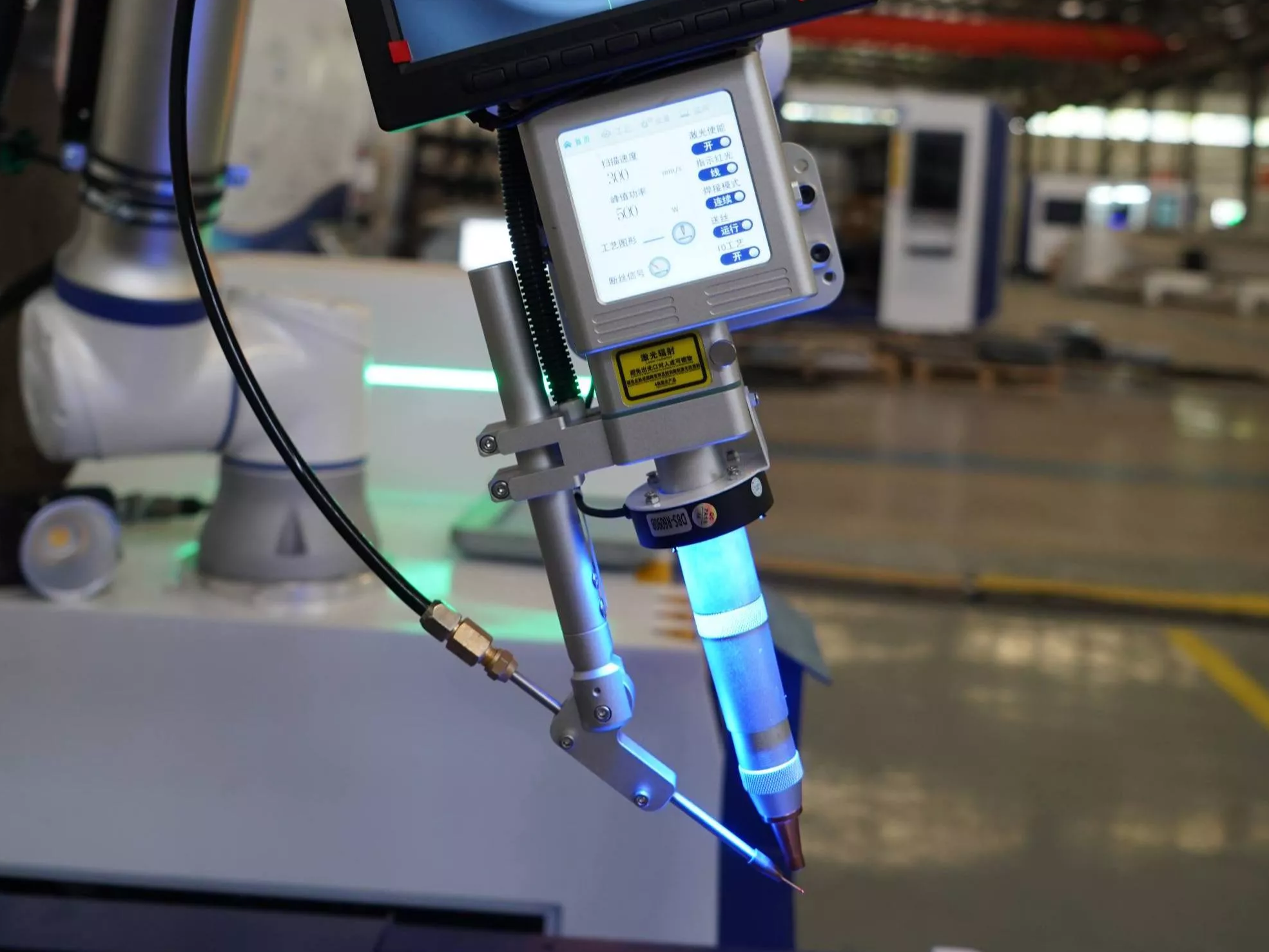 Why Manufacturers Are Buying Laser Welding Robots During The DATO LASER September Sourcing Sale 2026In 2026, manufacturers across the world are accelerating investments in laser welding robots, robotic laser welding systems, and other forms of smart manufacturing equipment to improve welding precision, reduce labor dependency, and build more efficient production lines.During the September SourcingBuyer's Guide
 -
 DATO LASER Launches September Sourcing Sale with Up to 15% DiscountDATO LASER is proud to announce its September Sourcing Sale, running throughout the New Trade Festival period. This limited-time promotion offers customers up to 15% off on selected laser welding systems and CNC press brakes, along wBuyer's Guide
 -
 Choosing a robotic welding system is not simply a choice between one robot brand and another. The right solution depends on your part size, weight, weld type, batch volume, changeover frequency, available floor space and required automation level.For many small and medium-sized metal fabrication shoBuyer's Guide
