


Download Full Technical Spec Sheet (PDF)
Technical Specifications
Item
Specification
Laser Power
1500W / 2000W / 3000W optional
Laser Type
Fiber laser
Welding Mode
Continuous welding / spot welding / seam welding
Robot Type
Collaborative robot or industrial robot configuration
Axis
6-axis robot system, depending on configuration
Welding Head
Robotic laser welding head
Seam Tracking
Optional laser seam tracking
Vision System
Optional 3D vision / visual positioning
Wire Feeder
Optional, suitable for wider gaps or filler welding
Applicable Materials
Stainless steel, carbon steel, galvanized steel, aluminum alloy
Fixture
Customized according to workpiece
Safety Protection
Optional safety enclosure, interlock, protective window and fume extraction
Applications
Metal cabinets, kitchen equipment, automotive parts, frames, tubes and steel components
Suitable Parts
Notes
Sheet metal cabinets
Good for long seams and corner welding
Stainless steel kitchen equipment
Suitable for clean weld appearance
Automotive brackets and frames
Suitable for repeated batch parts
Metal furniture frames
Suitable for tube and profile welding
Electrical enclosures
Suitable for consistent seam quality
Steel structure components
Requires fixture and process evaluation
Aluminum parts
Requires suitable power and welding parameters
Best For
Repeated parts and batch production
Flexible jobs and small batches
Welding Consistency
High repeatability by robot path
Depends on operator skill
Automation Level
High
Manual operation
Setup Requirement
Fixture and programming required
Lower setup requirement
Investment
Higher
Lower
Production Efficiency
Better for repeated parts
Better for flexible repair or mixed work
Recommended Users
Factories with stable production demand
Workshops needing flexible welding


Don't see your industry? Tell us about your part


Robotic Laser Welding Resources
-
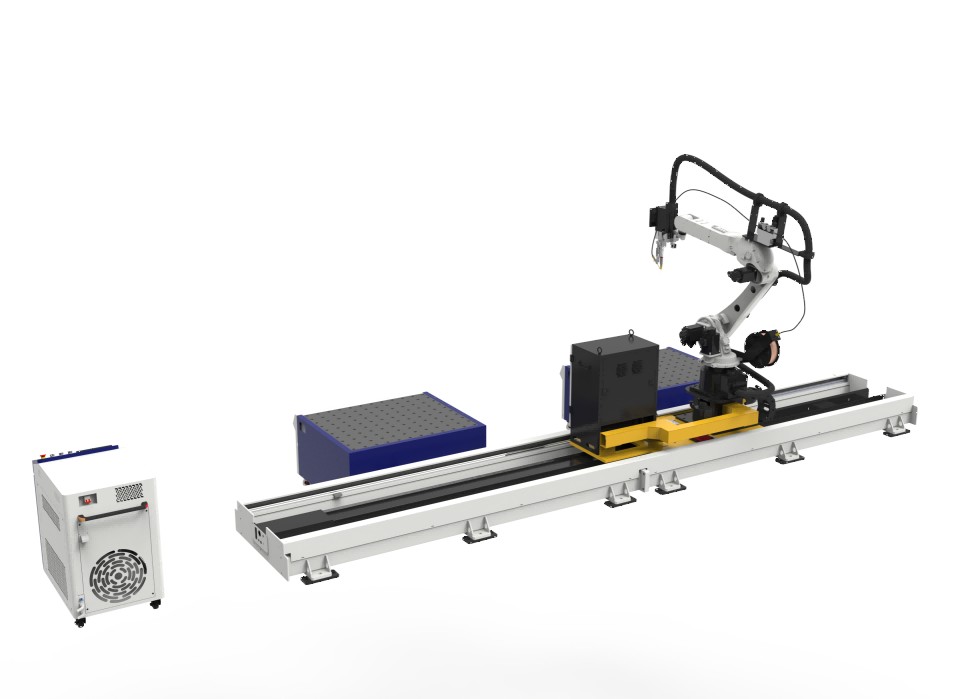 How Laser Welding Automation Improves Productivity and Quality in Modern FactoriesManufacturers need more than a faster welding process. They need reliable output, predictable lead times, and consistent quality across every production run. For factories producing repeatable metal parts, laser weldin
 -
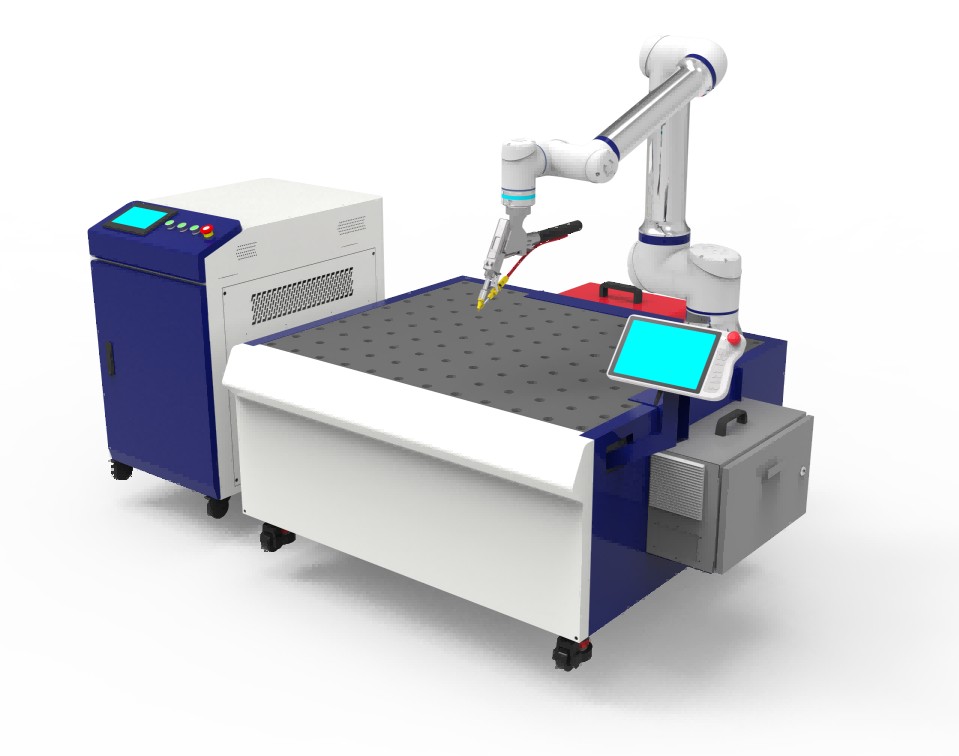 In 2026, sheet metal fabricators are under increasing pressure to produce faster, maintain better quality, control labor costs, and respond more efficiently to custom orders. As competition continues to grow in both domestic and global markets, manufacturers are looking for practical ways to improve
 -
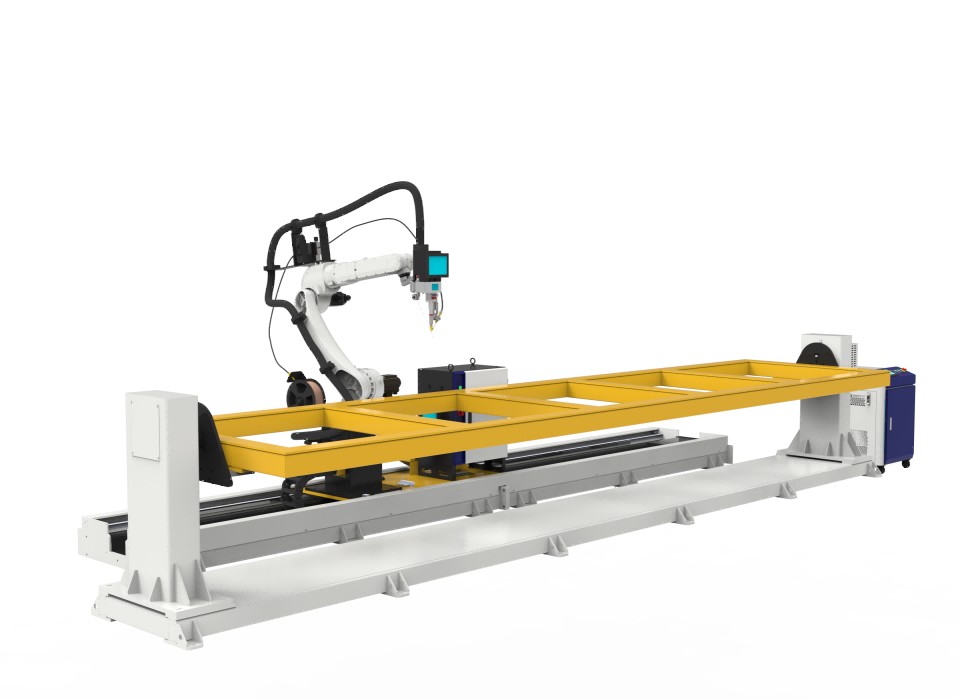 For many manufacturers, the biggest equipment decisions are not only about what to buy, but also when to buy. In 2026, September stands out as one of the most practical and strategic months for factories to upgrade production equipment, improve automation capability, and prepare for future growth.Wh
