


Choosing the right equipment is one of the most important decisions a manufacturer can make in 2026. Whether your factory is upgrading a welding line, expanding sheet metal fabrication capacity, or planning a broader automation project, selecting the correct machine affects production efficiency, product quality, labor usage, and long-term return on investment.
For many buyers, the decision often comes down to two high-value equipment categories: laser welding robots and CNC press brakes. Both play important roles in modern manufacturing, but they solve different production challenges.
During the September Sourcing Sale 2026, DATO LASER offers manufacturers an ideal opportunity to evaluate equipment needs, compare machine options, and move forward with smarter sourcing decisions. If you are reviewing All Products for a workshop upgrade, this guide will help you understand which solution best fits your factory.
Quick Answer: Which Machine Does Your Factory Need?
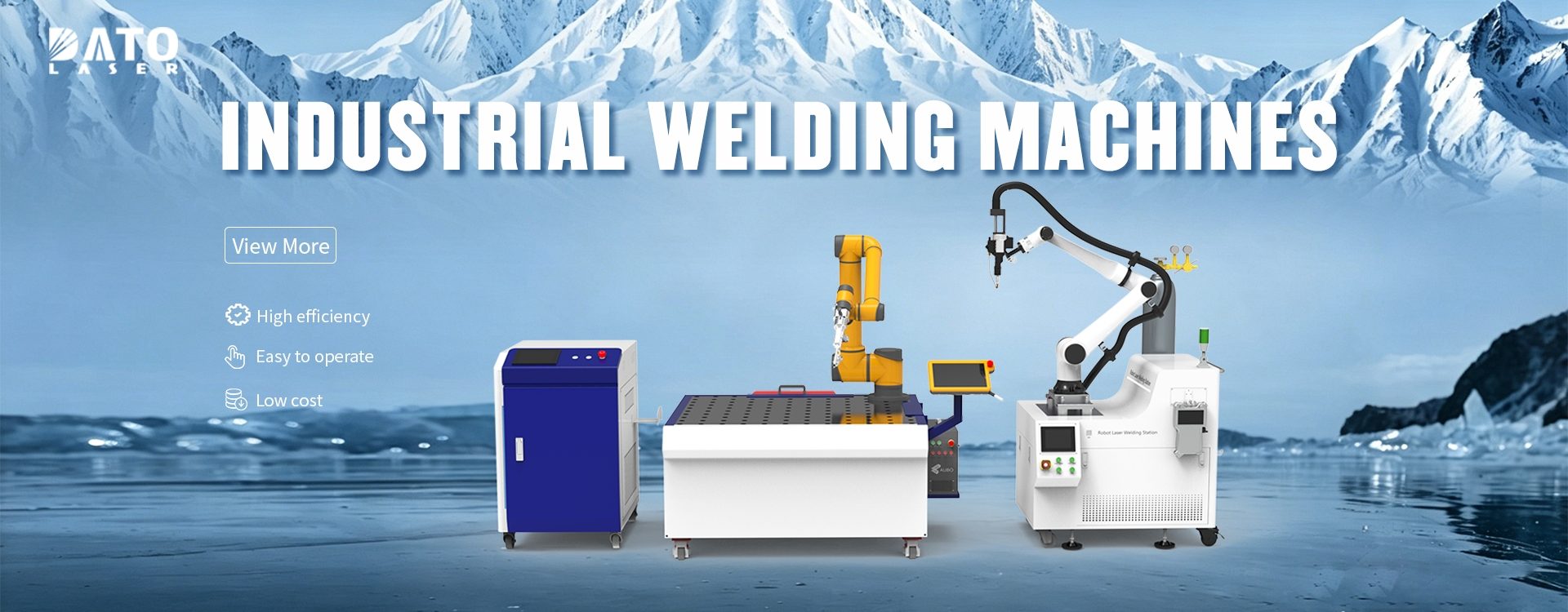
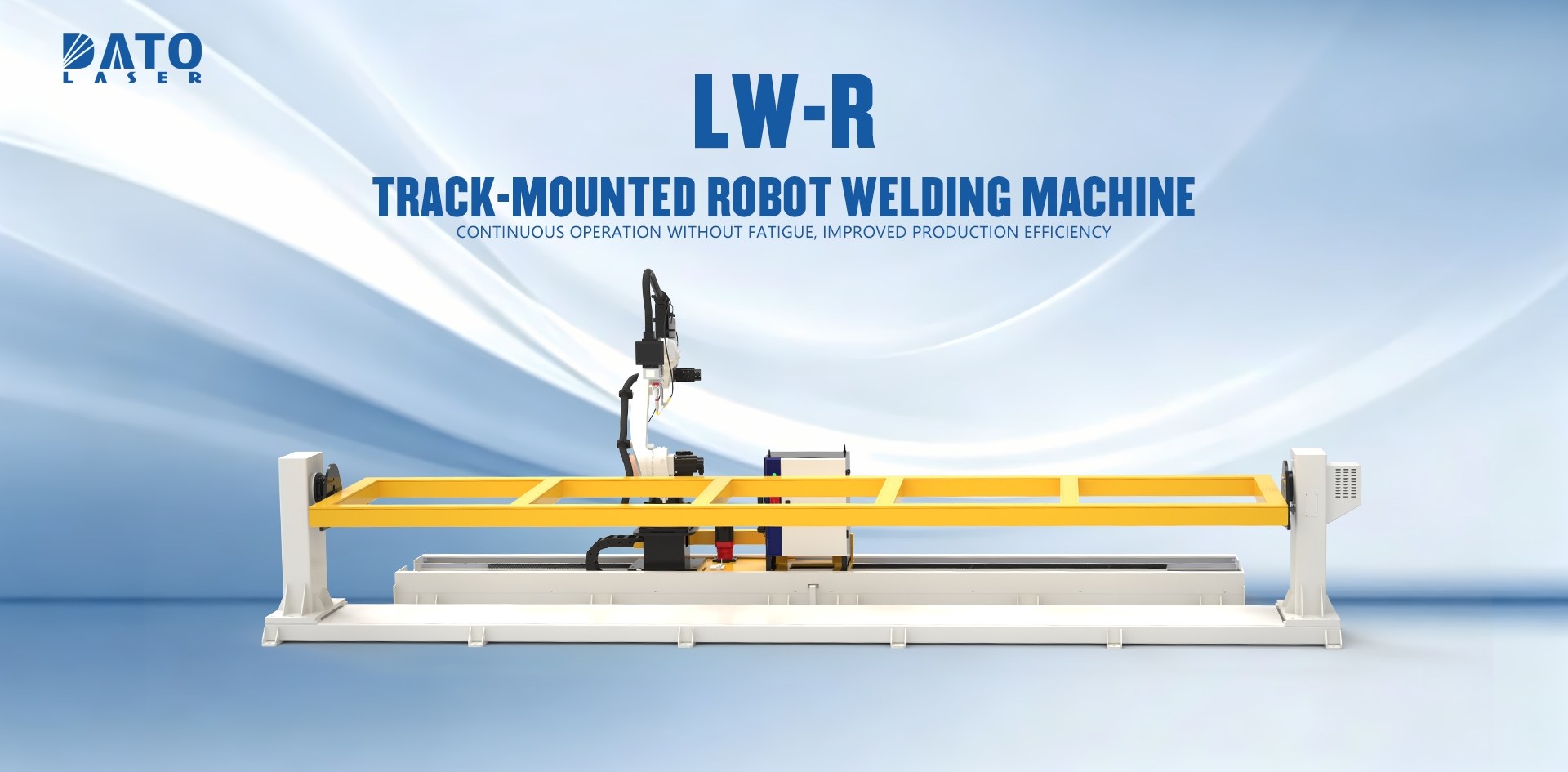
If your factory needs precise, repeatable, and efficient metal joining, you should focus on Laser Welding Robot Solutions.
If your factory needs accurate sheet metal bending, angle control, and repeatable forming, you should focus on CNC Press Brake Solutions.
In many fabrication environments, both machine types are important. A laser welding robot supports welding automation, while a CNC press brake supports controlled bending and shaping. Together, they can create a more complete and efficient sheet metal production workflow.

Step 1: Start with Your Main Production Process
The first question is simple: What production problem are you trying to solve?
Choose a Laser Welding Robot If Your Factory Needs:
Metal part joining
Automated welding for repeated production
Cleaner weld seams and higher precision
Reduced variation in manual welding
Faster welding for standardized parts
Better consistency in welding quality
Manufacturers in industries such as automotive parts, hardware products, cabinets, metal furniture, and enclosures often choose Laser Welding Robot Solutions to improve welding consistency and move toward smarter automation.
Choose a CNC Press Brake If Your Factory Needs:
Sheet metal bending
Precision angle control
Repeated bending for batch production
Improved dimensional accuracy
Better process control for formed parts
More efficient handling of multiple bend operations
Workshops making cabinets, doors, frames, HVAC parts, control boxes, steel furniture, and construction-related components often prioritize CNC Press Brake Solutions to improve forming accuracy and daily production efficiency.
Step 2: Match the Machine to Your Product Type
Your product type should heavily influence your machine selection.
A Laser Welding Robot Is Often Better for:
Welded assemblies
Stainless steel products
Sheet metal enclosures
Brackets and frames requiring clean welds
Customized metal parts with repeated welding points
Factories building automated welding cells
A CNC Press Brake Is Often Better for:
Folded panels
Electrical cabinets
Box-shaped components
Metal doors and frames
Shelving systems
Stainless steel and carbon steel parts requiring controlled bends
If your factory produces both welded and bent parts, it may make sense to review All Products and evaluate whether a combined equipment plan offers better production efficiency.
Step 3: Consider Your Production Volume and Growth Plan
The right choice depends not only on what you make today, but also on what you plan to make next year.
When a Laser Welding Robot Makes More Sense
A robotic laser welding system is often the better option if your business is experiencing:
Repeated welding tasks
Quality inconsistency from manual welding
Pressure to reduce labor dependency
Higher order volumes
Growing demand for automation
According to the International Federation of Robotics, industrial automation continues to expand across global manufacturing, especially in processes where consistency and repeatability are critical. This is one reason why more factories are adding robotic welding systems in 2026.
When a CNC Press Brake Makes More Sense
A CNC press brake is often the better choice if your business needs:
More stable bending results
Faster setup for repeated jobs
Better control of part geometry
Reduced scrap from manual errors
Flexible handling of custom metal parts
For sheet metal workshops with growing order complexity, a CNC bending machine often becomes one of the most practical productivity upgrades.
Step 4: Review Precision and Quality Requirements
Precision is a major factor in equipment selection.
Laser Welding Robot Precision Advantages
A laser welding robot supports:
Controlled weld positioning
Better seam uniformity
Reduced heat impact on surrounding material
More stable results across repeated parts
This is especially important for manufacturers serving customers with strict quality requirements or export-oriented production standards.
CNC Press Brake Precision Advantages
A CNC press brake supports:
Accurate bending angles
Better repeatability
Consistent backgauge positioning
More reliable dimensional control
For fabricators producing parts that must fit into assemblies, cabinets, or structural systems, controlled bending accuracy can directly affect product acceptance and downstream efficiency.
Step 5: Think About Automation Goals, Not Just Today’s Order List
Many buyers make the mistake of selecting a machine only for current jobs. A better approach is to ask: Will this machine still support my production goals two or three years from now?
If your factory is planning:
automation upgrades
improved labor efficiency
more stable production quality
reduced rework
stronger production scalability
then you should prioritize equipment that supports long-term workflow improvement.
A laser welding robot is usually more relevant for factories focused on welding automation and intelligent production cells. A CNC press brake is usually more relevant for factories focused on sheet metal forming efficiency and consistent fabrication output.
For companies building a broader smart manufacturing strategy, combining the two may deliver greater long-term value.
Step 6: Evaluate Supplier Strength and Service Capability
Choosing the right machine is important, but choosing the right supplier is just as important.
Before purchasing, buyers should compare:
manufacturing experience
equipment range
export capability
pre-sales consultation
installation guidance
training support
after-sales responsiveness
long-term spare parts and service communication
This is where supplier credibility matters. Buyers can review About DATO LASER to understand the company’s manufacturing background, factory strength, and global business experience.
DATO LASER supports international customers with:
professional manufacturing capability
a 40,000㎡ factory area
200+ employees
export experience in 100+ countries
product and service support for long-term business cooperation
For service-related questions before or after purchase, customers can also access Technical Support for further assistance.
Step 7: Compare Total Value, Not Just Machine Price
A low machine price does not always mean a better investment. Smart buyers compare total value instead of only looking at the initial quotation.
Important decision factors include:
equipment suitability for your application
expected production efficiency
consistency of output quality
training and setup support
maintenance planning
availability of technical assistance
long-term production scalability
During the September Sourcing Sale 2026, buyers can improve purchase value through promotional terms such as up to 15% off and 1-year consumables included on selected equipment. This makes September an especially good time to move forward with machine evaluation and procurement planning.
Laser Welding Robot vs. CNC Press Brake: A Practical Comparison
Choose a Laser Welding Robot If You Need:
automated welding
joining of metal parts
better weld consistency
reduced labor dependency
improved welding speed and repeatability
Explore suitable options here: Laser Welding Robot Solutions
Choose a CNC Press Brake If You Need:
precision sheet metal bending
repeatable angle control
improved forming accuracy
efficient batch bending
better productivity in metal fabrication
Explore suitable options here: CNC Press Brake Solutions
Choose Both If You Need:
a more complete sheet metal production line
integrated bending and welding capability
higher workshop efficiency
better control over fabrication quality from forming to joining
For broader sourcing comparisons, reviewing All Products can help buyers build a more complete upgrade roadmap.
Why More Buyers Are Using a Selection Guide Before Purchasing
Manufacturers today are making more strategic equipment decisions than ever before. Instead of buying based only on price or a basic specification list, buyers increasingly compare:
production workflow fit
future order structure
automation compatibility
operator adaptability
supplier trustworthiness
technical support quality
Organizations such as NIST, SME, and the American Welding Society continue to emphasize the importance of process quality, technical standards, and manufacturing efficiency. For industrial buyers, this means equipment selection should support both present production needs and future competitiveness.
Who Should Read This Guide?
This guide is especially useful for:
sheet metal fabrication companies
hardware manufacturers
metal furniture producers
cabinet and enclosure factories
OEM and contract manufacturers
industrial sourcing managers
factory owners planning automation upgrades
distributors comparing machine categories for customer projects
If your factory is currently deciding between a laser welding robot, a CNC press brake, or a combined fabrication upgrade, this article is designed to make that decision easier.
FAQ: How to Choose the Right Machine in 2026
Should I buy a laser welding robot or a CNC press brake first?
That depends on your biggest production bottleneck. If welding quality and labor dependency are the main issues, start with a laser welding robot. If bending accuracy and forming efficiency are the bigger challenge, start with a CNC press brake.
Is it possible that my factory needs both machines?
Yes. Many sheet metal manufacturers require both precision bending and welding. In that case, a phased or combined sourcing plan may be the most effective approach.
What should I compare before choosing a supplier?
You should compare machine suitability, product range, technical consultation, installation support, export experience, and after-sales responsiveness.
Is September a good time to purchase factory equipment?
Yes. The September sourcing period is often one of the best times for industrial buyers to plan upgrades, compare suppliers, and secure promotional pricing.
Where can I request a customized recommendation?
You can visit Contact Us to discuss your factory requirements, product type, and production goals with the DATO LASER team.
Request a Quote from DATO LASER Today
If your business is planning to upgrade welding, bending, or broader fabrication capability, now is the right time to take the next step.
DATO LASER helps global manufacturers evaluate practical solutions for:
welding automation
sheet metal bending
fabrication line upgrades
smart manufacturing expansion
long-term equipment planning
To explore the right machine for your application, visit Laser Welding Robot Solutions or CNC Press Brake Solutions. For a broader view of available equipment, review All Products. If you are ready to discuss pricing, project requirements, or machine recommendations, visit Contact Us. For service-related assistance, DATO LASER also provides Technical Support.
With the benefits of the September Sourcing Sale 2026, this is an excellent time to choose the right equipment for better productivity, stronger quality control, and long-term manufacturing growth.
Related Blogs
-
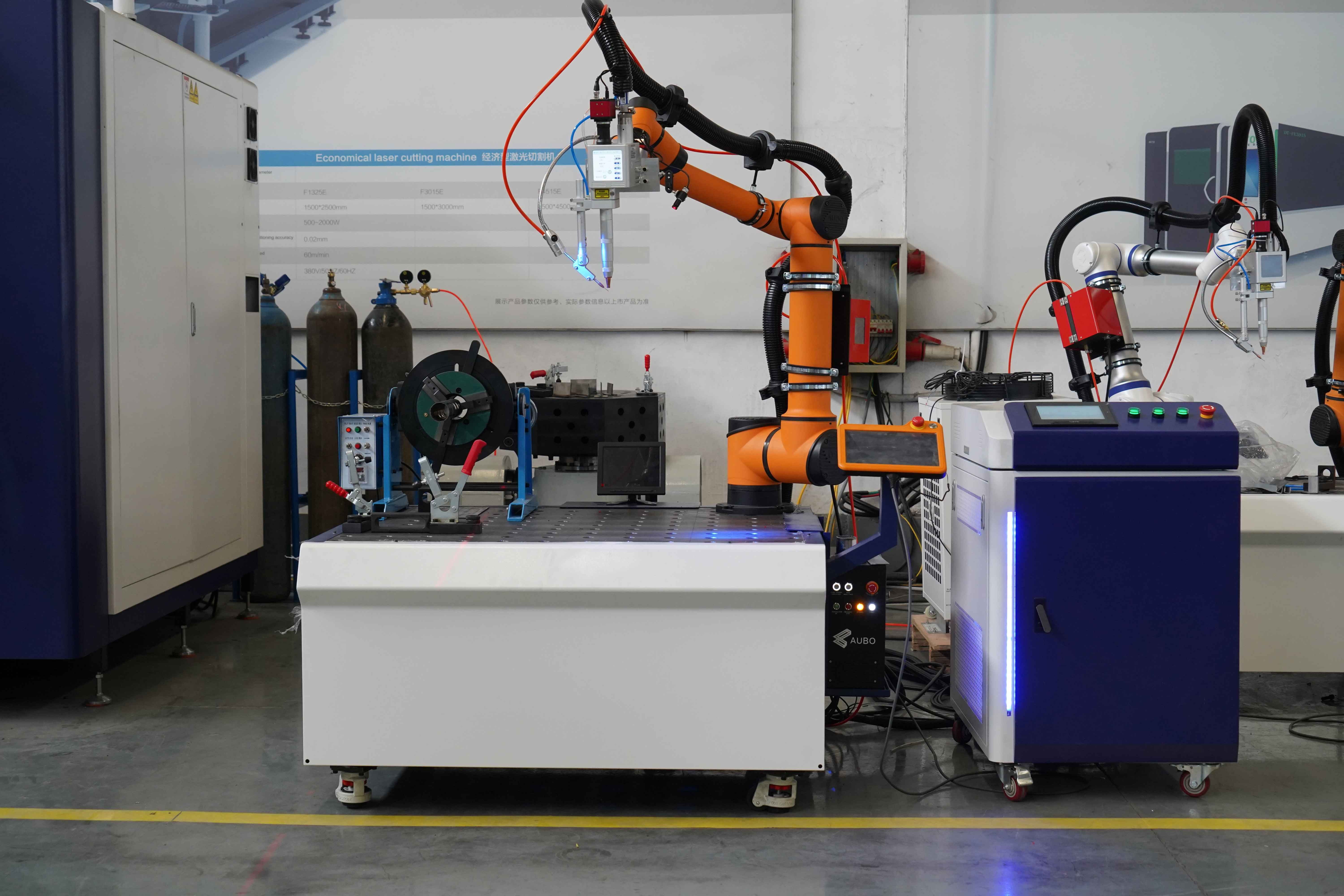 Laser Welding Robot vs. Handheld Laser Welder: Which Fits Your Production?Should your factory invest in a laser welding robot or a handheld laser welder? Both use a laser to join metal, but they solve different production problems. A handheld system gives an operator direct control over the weldingBuyer's Guide
-
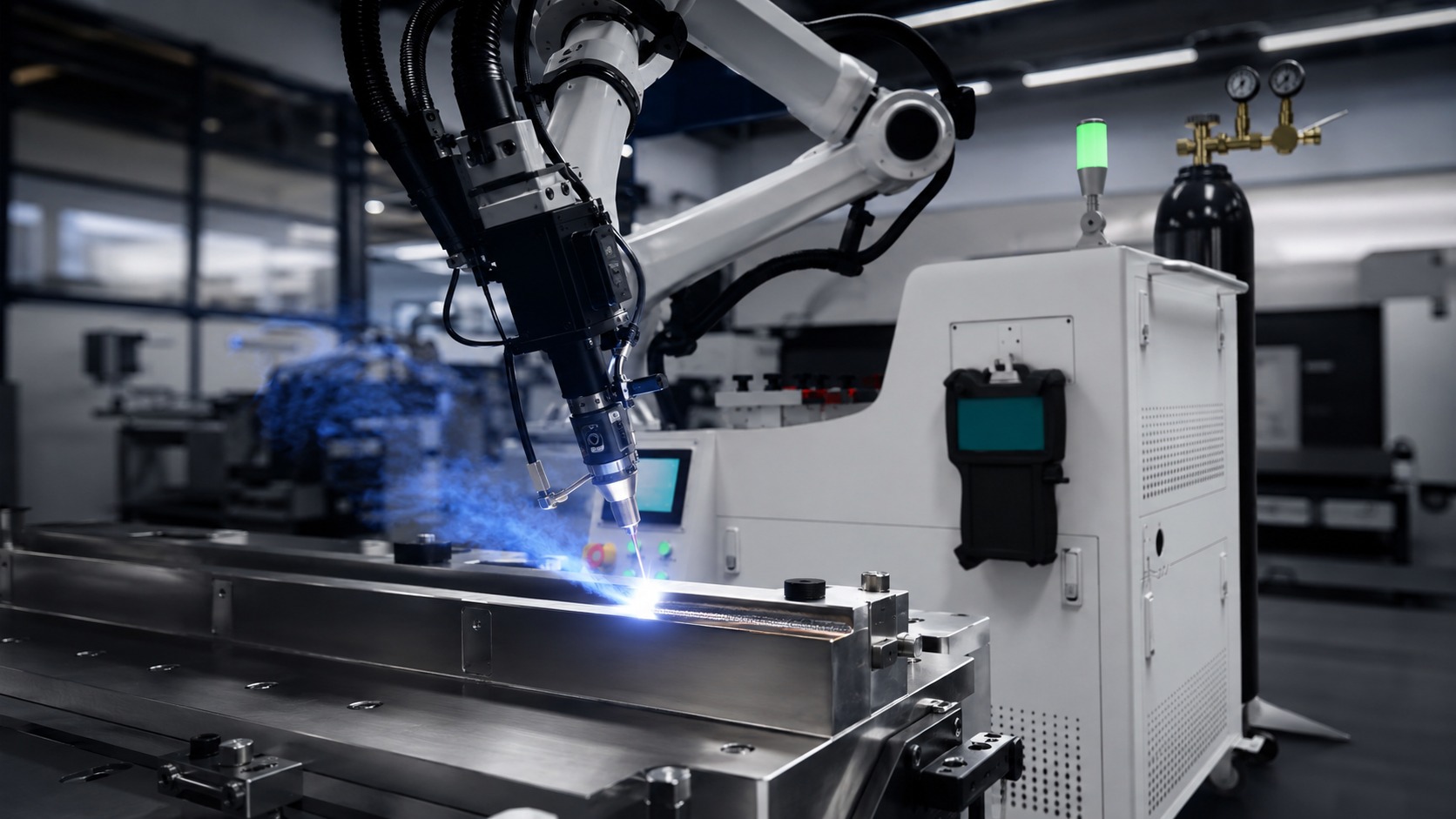 How to Calculate Laser Welding Robot ROI for a Sheet Metal FactoryA laser welding robot may improve consistency and increase output, but those benefits do not automatically make it a profitable investment. For a sheet metal factory, the decision depends on the parts being welded, the volume of repeaBuyer's Guide
-
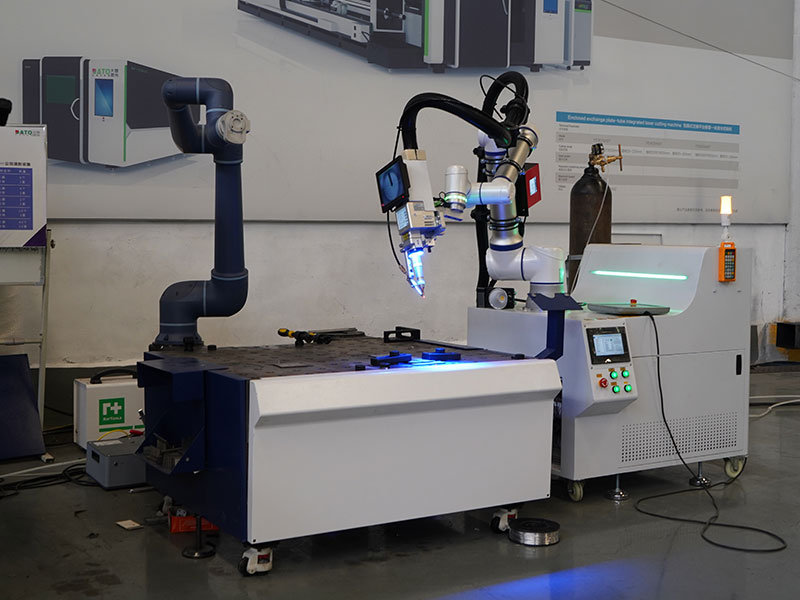 A laser welding robot can help a sheet metal factory produce repeatable welds and reduce manual handling. But the best system is not simply the one with the highest laser power or the longest robot reach. It is the one that can weld your parts, at the required quality and production rate, within a sBuyer's Guide
-
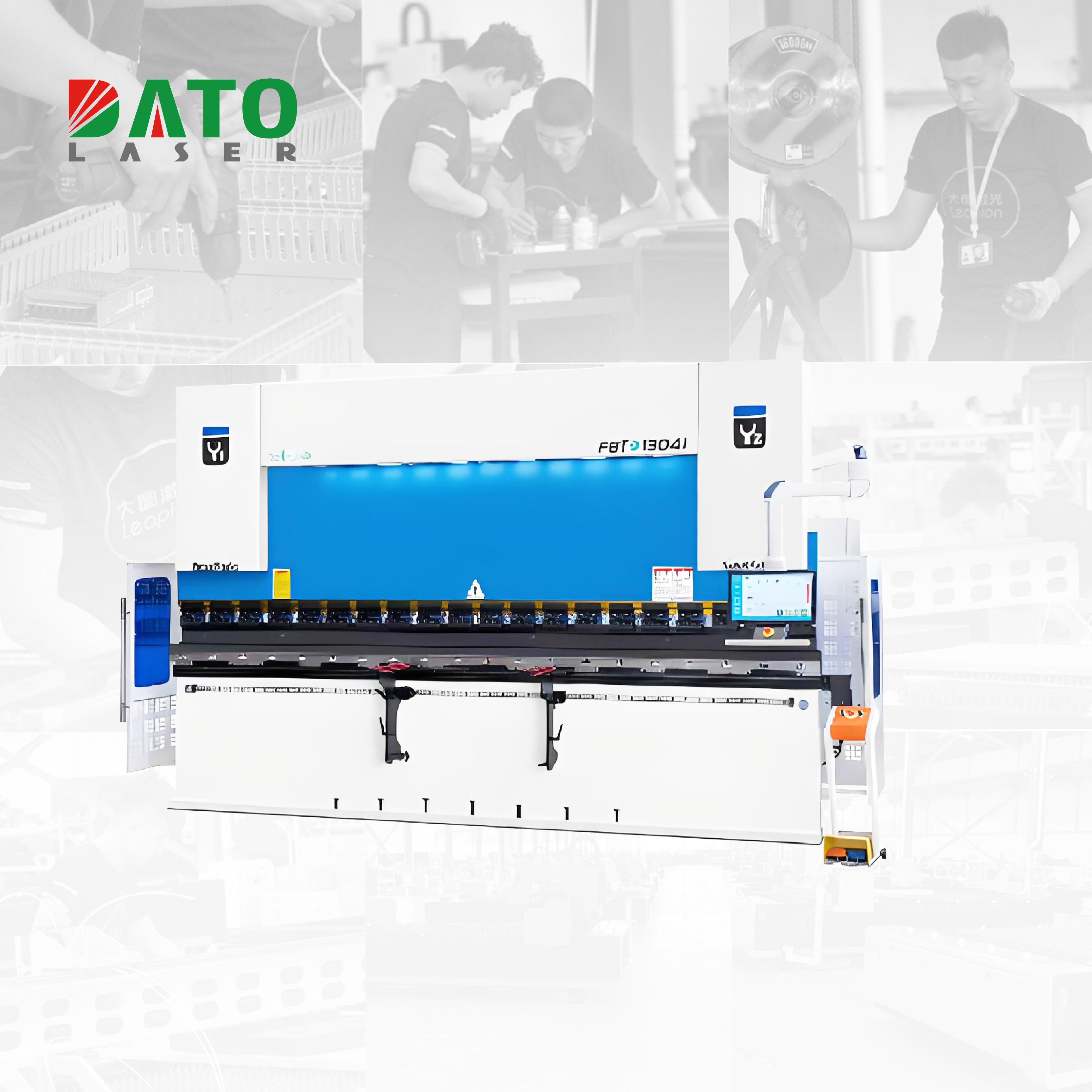 A sheet metal part can be cut accurately and still fail during assembly if its bends are inconsistent. An incorrect angle, misplaced flange, or small dimensional variation may affect fit-up, create rework, and delay the next production step.For workshops handling repeated parts or a growing mix of oBuyer's Guide
