


A laser welding robot may improve consistency and increase output, but those benefits do not automatically make it a profitable investment. For a sheet metal factory, the decision depends on the parts being welded, the volume of repeat work, current production costs, and the expense of installing and operating the complete system.
The most useful question is not simply, “How fast can the robot weld?” It is: “How much will it cost us to produce each accepted part after automation, compared with our current process?”
This guide explains how to build a practical return-on-investment estimate for a laser welding robot, which costs to include, and which assumptions to test before making a purchase.
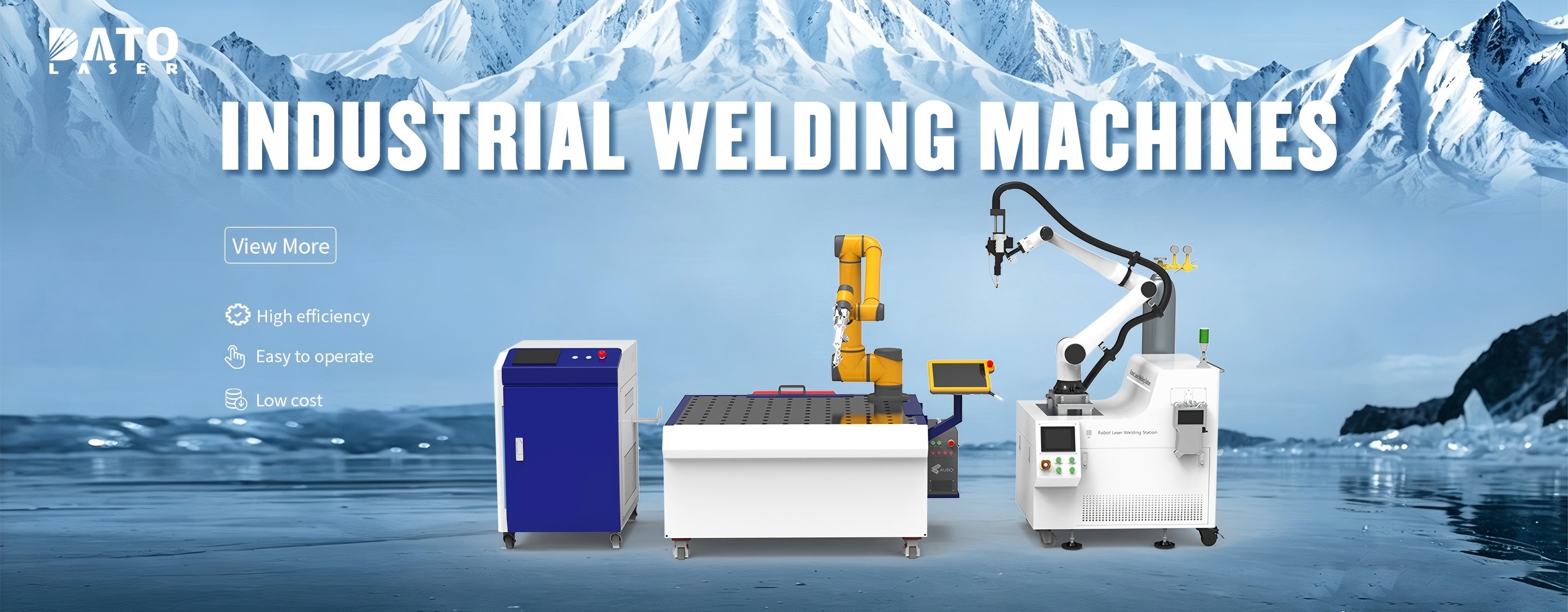
Quick Answer: How Do You Calculate Laser Welding Robot ROI?
To estimate the return on a laser welding robot:
Record the full cost of your current welding process.
Estimate the complete installed cost of the robotic system.
Test representative parts to estimate future operating costs.
Compare costs at the same accepted production volume.
Add any extra contribution from increased output only if demand and downstream capacity can support it.
Use the estimated annual benefit to calculate a simple payback period.
Test less favorable scenarios before approving the investment.
This approach gives a more reliable result than comparing the robot’s advertised welding speed with manual welding speed.
Start with Your Current Production Baseline
Before requesting quotations, collect data from the process you want to improve. Ideally, use several representative production runs rather than a single unusually good or bad week.
Record:
Accepted parts produced per shift or month
Total labor hours, including setup and inspection
Overtime directly related to welding
Welding consumables and utilities
Rework hours and rejected parts
Fixture maintenance
Equipment downtime
Time spent loading and unloading parts
If your factory makes many different products, group them into part families. A robot may deliver a strong return on recurring enclosure assemblies but limited value on one-off jobs that require frequent reprogramming.
Include the Full Installed Cost
The machine quotation is only one part of the investment. A realistic budget should include the costs needed to put the system into safe, productive operation.
Depending on the application, these may include:
Robot and laser welding equipment
Welding fixtures and part-positioning equipment
Safety enclosure, interlocks, and other required safeguards
Fume extraction
Delivery and installation
Programming and process development
Operator and maintenance training
Electrical or workshop modifications
Initial spare parts and consumables
Ask suppliers to identify what is included in their quotation and what must be purchased separately. Two quotations can appear similar until fixtures, safety equipment, and installation responsibilities are compared.
You can review Laser Welding Robot Solutions as a starting point, but a useful quotation should be based on your parts and production requirements.
Estimate the Operating Cost After Automation
Next, estimate what the process will cost each month after installation. Automation changes labor requirements, but it does not eliminate labor or ongoing expenses.
A robotic welding operation may still require employees for:
Loading and unloading
Part preparation
Program changes
First-piece approval
Quality inspection
Maintenance and troubleshooting
Also account for electricity, shielding gas where required, consumables, routine maintenance, and replacement components.
Be careful with labor savings. If an operator moves to another task but payroll remains unchanged, that change is not automatically a cash saving. It may still create value through additional production or reduced overtime, but that value should be identified and measured separately.
Use Cost per Accepted Part—not Welding Speed Alone
Welding speed is important, but it does not tell the whole story. A complete cycle may include part loading, clamping, welding, unloading, inspection, and changeover.
More importantly, not every completed part is accepted. Rework and scrap can materially change the economics of a process.
For an accurate comparison, calculate the total cost of producing a defined number of accepted parts under each method. Include the effort required to correct or replace rejected work.
This makes it easier to see whether automation is reducing total production cost or merely making one step faster.
Example: A Simple Payback Estimate
The following figures are illustrative only. They are not DATO LASER prices or a performance guarantee.
Assume a factory produces the same monthly volume of accepted sheet metal assemblies before and after automation.
Monthly cost category | Current process | Proposed robotic process |
Labor and welding-related overtime | USD 8,000 | USD 6,200 |
Rework and scrap | USD 3,000 | USD 1,600 |
Consumables and utilities | USD 1,400 | USD 2,100 |
Routine maintenance | USD 600 | USD 1,000 |
Total monthly operating cost | USD 13,000 | USD 10,300 |
In this example, the difference is USD 2,700 per month, or USD 32,400 per year.
Now assume the installed project cost is:
Investment category | Illustrative cost |
Welding system | USD 92,000 |
Fixtures and safety equipment | USD 12,000 |
Installation and training | USD 4,000 |
Total installed investment | USD 108,000 |
Dividing the installed investment by the estimated monthly benefit gives a simple payback period of 40 months.
That figure is only a first screening tool. It does not account for financing, taxes, changes in order volume, major repairs, or the time value of money. A final investment decision should also consider cash flow and downside scenarios.
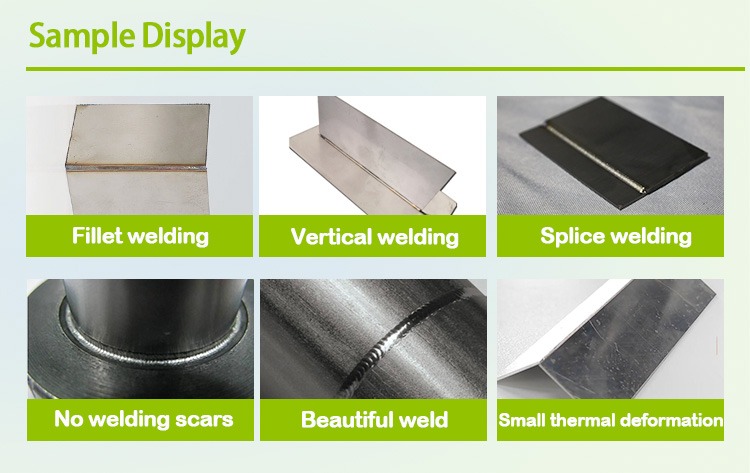
When Should You Count Higher Throughput as a Financial Benefit?
A robot may allow a factory to produce more parts, but additional capacity creates financial value only when it can be used.
Before adding extra output to your ROI estimate, ask:
Is there enough customer demand for the additional parts?
Can upstream cutting and bending supply them?
Can downstream inspection, finishing, and assembly keep up?
Will the extra output increase revenue or avoid a documented cost?
What additional material, labor, and shipping costs will it create?
Count the additional contribution after related costs, not the entire sales value of extra parts. If demand is uncertain, keep increased throughput out of the base case and treat it as a potential upside.
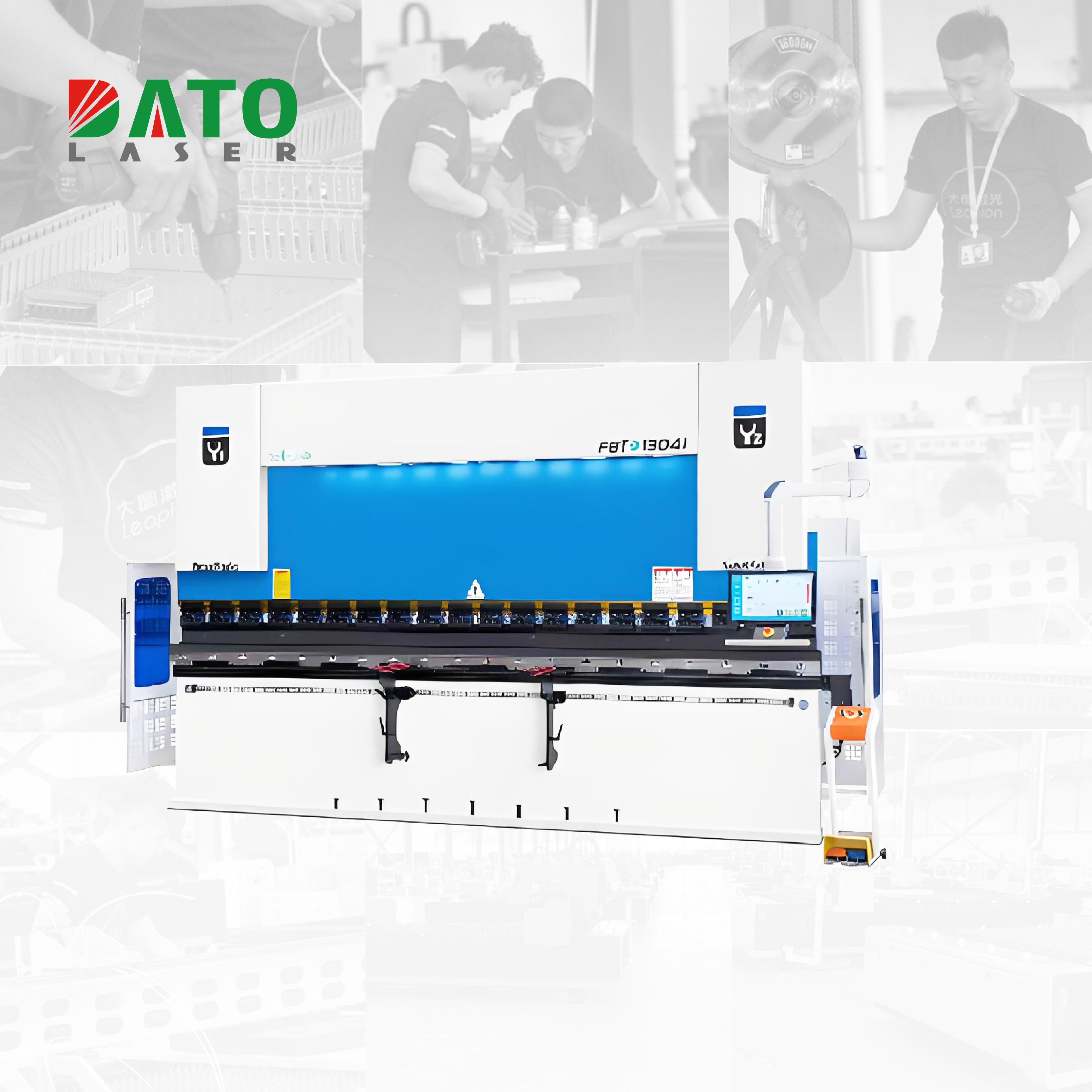
For factories with both bending and welding operations, upstream consistency also matters. Parts formed on a CNC press brake must meet the fit-up requirements of the robotic welding process.
Test Three Scenarios Before You Buy
A single payback estimate can create false confidence. Build at least three scenarios:
Base Case
Use production volume and cost reductions supported by your current data and representative sample tests.
Conservative Case
Allow for lower utilization, longer changeovers, modest rework improvement, and higher maintenance costs.
Growth Case
Include additional output only when orders or a credible demand forecast support it.
If the project makes sense only in the growth case, the investment depends heavily on future sales. If it remains attractive in the conservative case, the decision has more room for unexpected changes.
Factors That Can Improve—or Weaken—the ROI
Part Repeatability
Recurring parts are often easier to justify because programs and fixtures can be used repeatedly. Frequent one-off jobs increase setup effort.
Joint Fit-Up
Laser welding generally requires controlled part positioning and joint conditions. Inconsistent blanks or bends can lead to extra preparation, more complex fixtures, or quality problems.
Fixture Design
A good fixture supports repeatability and efficient loading. A poor fixture can erase time saved during welding.
Product Mix
If several parts share similar joint designs, a flexible fixture and programming strategy may improve system utilization. If every part requires a different setup, changeover costs become more significant.
Quality Requirements
Products with costly rework or strict inspection requirements may benefit substantially from a more repeatable process—provided sample welds demonstrate that the system can meet those requirements.
Utilization
An underused robot may have a long payback period even if its welds are fast. Estimate how many productive hours the system will actually run.
What to Send a Supplier for a More Useful ROI Discussion
A generic machine quotation cannot establish your factory’s payback period. To support a practical evaluation, provide:
Drawings or photos of representative parts
Material types and thicknesses
Joint designs and weld locations
Monthly production volumes by part family
Current cycle times
Rework and scrap figures
Required weld acceptance criteria
Workshop layout and available space
Current production bottlenecks
Ask how the proposed process would handle your actual parts, including loading, fixturing, changeovers, and inspection.
DATO LASER can be contacted through Contact Us for an application discussion. You can also explore All Products if your investment plan includes other fabrication processes, or visit About DATO LASER to learn more about the company.
Questions to Ask Before Approving the Project
Use this checklist to challenge the assumptions in your investment case:
Have we measured current costs using accepted parts?
Does the quotation include fixtures, safety equipment, installation, and training?
Have representative parts been tested?
Are our cutting and bending processes consistent enough for robotic welding?
Have we included loading, unloading, and changeover time?
Are projected labor savings measurable?
Do we have enough work to keep the system utilized?
Can downstream processes handle additional output?
Have we budgeted for maintenance and consumables?
Do we understand the available Technical Support arrangements?
If several answers are uncertain, gather more data before relying on a projected payback period.
FAQ: Laser Welding Robot ROI
What is a good payback period for a laser welding robot?
There is no universal target. An acceptable payback period depends on your company’s budget, financing costs, production risk, and alternative investment opportunities. Calculate it using your own parts and costs.
Does a laser welding robot always reduce labor costs?
No. Operators are still needed for setup, loading, inspection, and maintenance. Labor savings should only be included when they result in measurable cost reduction or additional productive capacity.
Should scrap reduction be included in the ROI calculation?
Yes, if it is supported by current scrap data and realistic results from sample testing. Avoid assuming that automation will eliminate all rejected parts.
Can a low-volume workshop justify robotic welding?
Possibly, but the case is usually more dependent on part value, quality requirements, and how efficiently the system can switch between jobs. Production volume alone does not determine suitability.
How can I get a more accurate estimate?
Start with current cost and output data, then test representative parts and request a quotation covering the complete installed system. Compare the resulting cost per accepted part with your existing process.
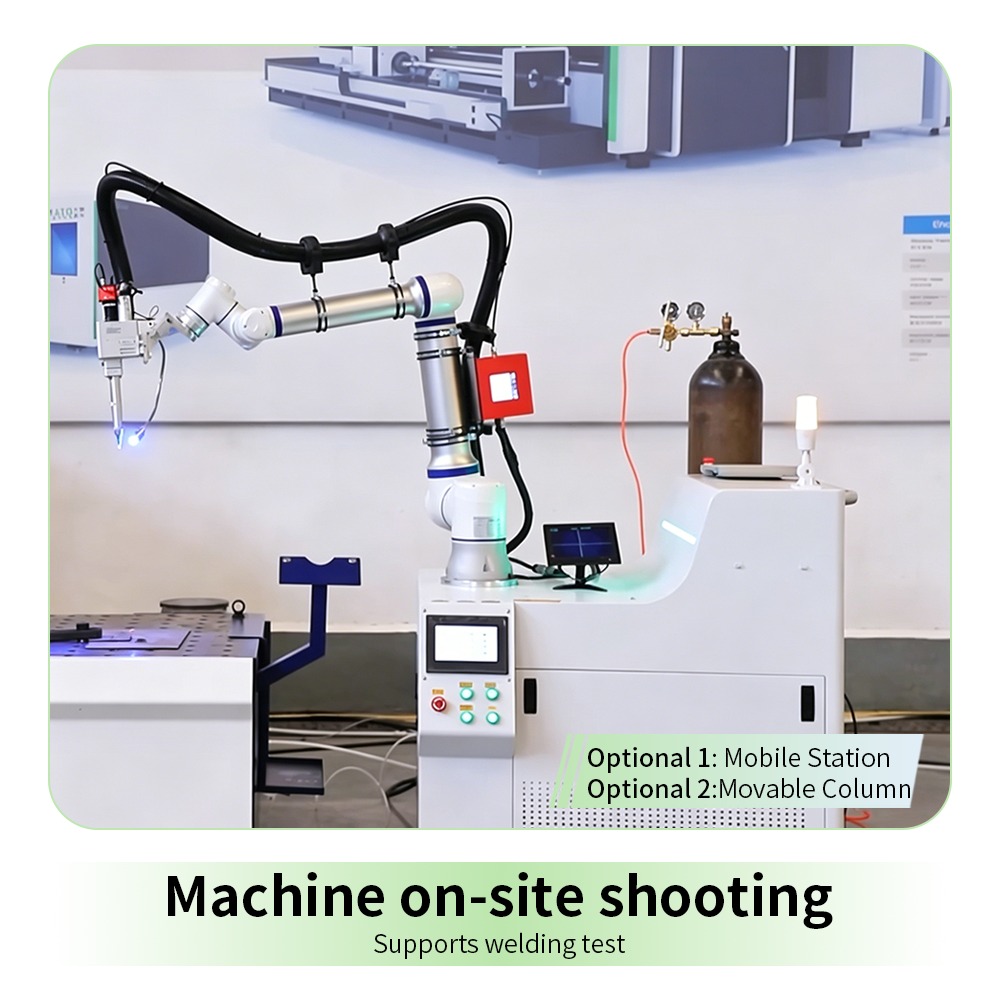
Make the Investment Decision with Real Production Data
A laser welding robot ROI calculation is most valuable when it reflects your factory—not an ideal production scenario. Measure current performance, include the full project cost, test your parts, and examine what happens if utilization or savings fall short of expectations.
If you are ready to evaluate an application, explore Laser Welding Robot Solutions and share your part drawings and production data through Contact Us. A part-specific discussion is the best starting point for determining whether robotic laser welding is a sound investment for your factory.
Related Blogs
-
 Laser Welding Robot vs. Handheld Laser Welder: Which Fits Your Production?Should your factory invest in a laser welding robot or a handheld laser welder? Both use a laser to join metal, but they solve different production problems. A handheld system gives an operator direct control over the weldingBuyer's Guide
-
 How to Calculate Laser Welding Robot ROI for a Sheet Metal FactoryA laser welding robot may improve consistency and increase output, but those benefits do not automatically make it a profitable investment. For a sheet metal factory, the decision depends on the parts being welded, the volume of repeaBuyer's Guide
-
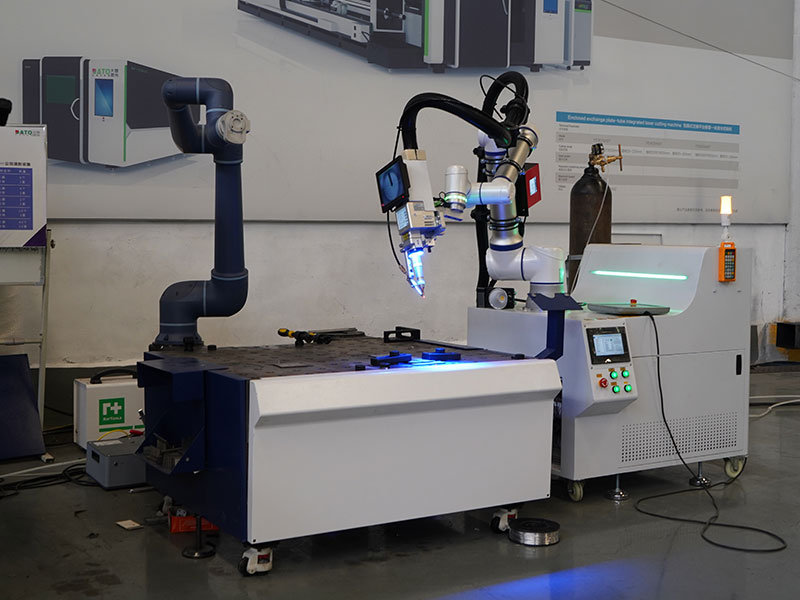 A laser welding robot can help a sheet metal factory produce repeatable welds and reduce manual handling. But the best system is not simply the one with the highest laser power or the longest robot reach. It is the one that can weld your parts, at the required quality and production rate, within a sBuyer's Guide
-
 A sheet metal part can be cut accurately and still fail during assembly if its bends are inconsistent. An incorrect angle, misplaced flange, or small dimensional variation may affect fit-up, create rework, and delay the next production step.For workshops handling repeated parts or a growing mix of oBuyer's Guide


