


Manufacturers need more than a faster welding process. They need reliable output, predictable lead times, and consistent quality across every production run. For factories producing repeatable metal parts, laser welding automation can help achieve all three—but only when the equipment is matched to the application and integrated into a well-controlled workflow.
A laser welding robot combines programmable motion with a laser welding process. Instead of relying on an operator to guide every weld, the system follows a defined path under controlled conditions. This can be especially valuable for sheet metal components, enclosures, automotive parts, and other products made in repeated batches.
This guide explains where robotic laser welding can create value, what affects its results, and how to assess whether it is the right investment for your factory.
Quick Answer: What Are the Main Benefits of Laser Welding Automation?
When properly configured for the part and material, laser welding automation can help manufacturers:
Produce more consistent welds across repeated parts
Reduce variation between operators and shifts
Improve throughput on suitable production runs
Limit rework caused by inconsistent welding
Make production planning more predictable
Record and refine repeatable welding programs
Free skilled employees to focus on setup, inspection, and process improvement
These benefits are application-dependent. Part design, joint fit-up, fixturing, material condition, and operator training all affect the outcome.

How Does a Robotic Laser Welding System Work?
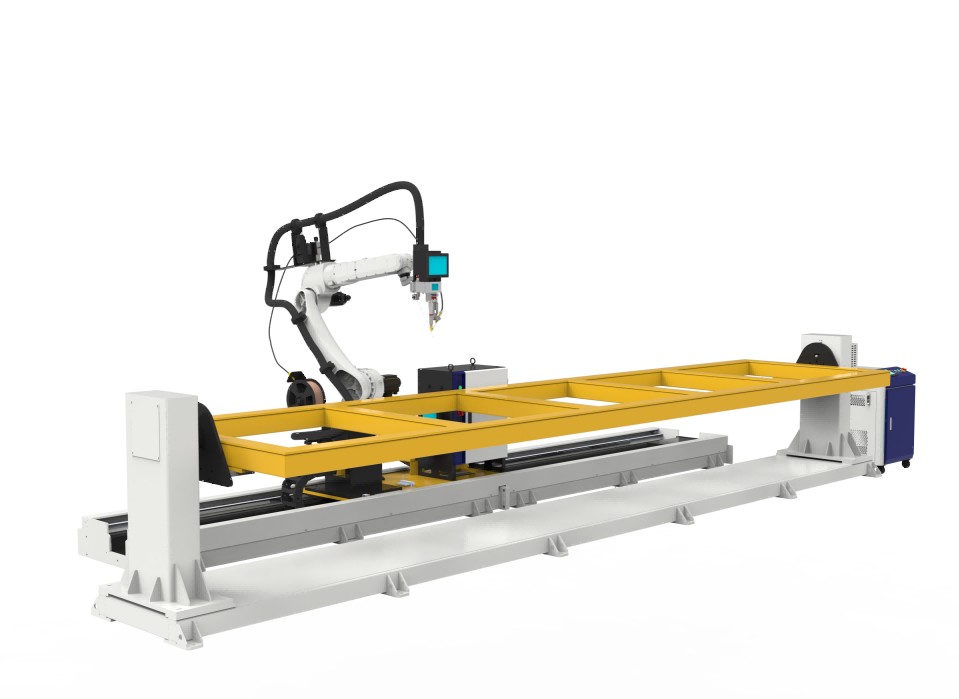
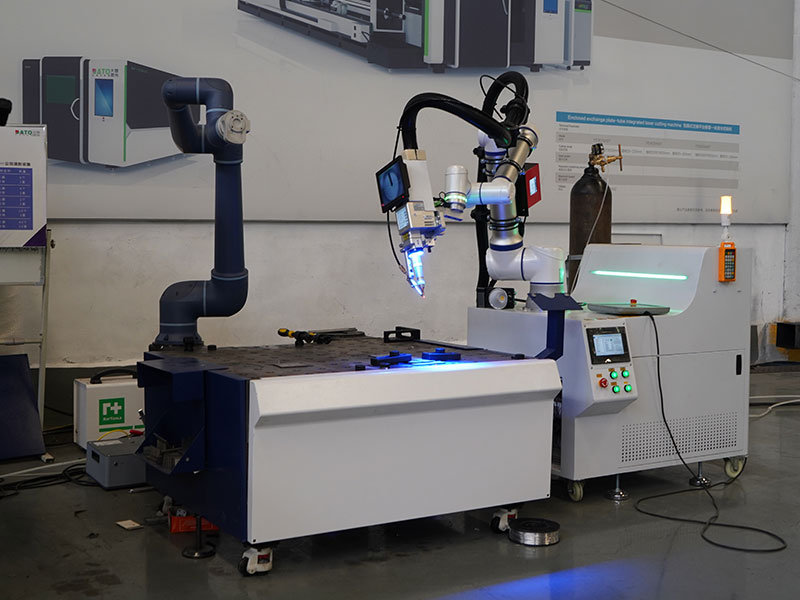
A robotic laser welding system brings together a laser source, welding head, motion system, controls, and safety equipment. The robot moves the welding head along a programmed path while the laser delivers energy to the joint.
Depending on the application, the complete setup may also include:
Fixtures to position and hold parts
Shielding gas delivery
Seam tracking or vision equipment
Fume extraction
Protective enclosures and interlocks
Quality monitoring and inspection procedures
The robot provides repeatable motion, but the quality of the weld still depends on the entire process. Accurate positioning cannot compensate for a poorly designed joint or inconsistent gaps between parts.
Manufacturers beginning an equipment search can review DATO LASER’s Laser Welding Robot Solutions as a starting point for discussing their parts and production requirements.
More Consistent Weld Quality
Manual welding results can vary with operator technique, fatigue, working position, and changes between shifts. Automation helps reduce motion-related variation by following a programmed weld path.
For repeated parts, this may improve consistency in:
Weld location
Travel speed
Weld appearance
Penetration, when process parameters are correctly established
Part-to-part results
Consistency is particularly important when welded parts must fit into downstream assemblies or meet defined inspection requirements.
However, repeatable robot motion is not the same as guaranteed weld quality. Factories must still control joint preparation, part tolerances, surface condition, and process settings. A trial weld and inspection plan should be completed before full production.
Higher Throughput on Suitable Jobs
Automated laser welding can improve productivity when a factory has enough repeated work to justify programming, setup, and fixturing.
Potential time savings may come from:
Repeatable robot movements
Less manual repositioning
Standardized weld sequences
Reduced variation in cycle time
Fewer interruptions to correct inconsistent welds
The best way to judge productivity is to measure the complete production cycle, not only the time when the laser is active. Loading, clamping, welding, unloading, inspection, and changeovers all contribute to total output.
For high-mix, low-volume production, frequent programming and fixture changes may reduce the advantage of automation. In those cases, part grouping and a flexible fixture strategy become especially important.
Less Rework Through Better Process Control
Rework consumes labor, material, and machine capacity. When welding results vary, a factory may spend additional time correcting appearance, repairing defects, or replacing rejected parts.
A well-developed automated process can help reduce these losses by making each production cycle more consistent. It also makes problems easier to investigate: if the programmed motion stays the same, the team can focus on changes in fit-up, material, shielding, optics, or other process conditions.
Before estimating savings, record your current:
First-pass acceptance rate
Rework hours per batch
Scrap rate
Inspection time
Average cycle time
These baseline figures make it easier to evaluate the actual impact of a new system after installation.

Better Use of Skilled Employees
Laser welding automation does not eliminate the need for skilled people. It changes where their expertise creates the most value.
Instead of manually performing every repetitive weld, experienced employees can focus on:
Developing welding parameters
Programming and optimizing weld paths
Designing fixtures
Checking incoming parts
Inspecting finished welds
Maintaining equipment
Training other team members
For factories finding it difficult to staff repetitive welding positions, this shift can support more stable production while making better use of experienced personnel.
More Predictable Production Planning
When a process has stable cycle times and clearly defined work instructions, production managers can plan capacity with greater confidence.
For example, a factory can compare scheduled operating time against measured output per hour, then identify whether delays come from welding, loading, part preparation, or inspection. That visibility helps teams improve the whole workflow rather than assuming the welding step is always the bottleneck.
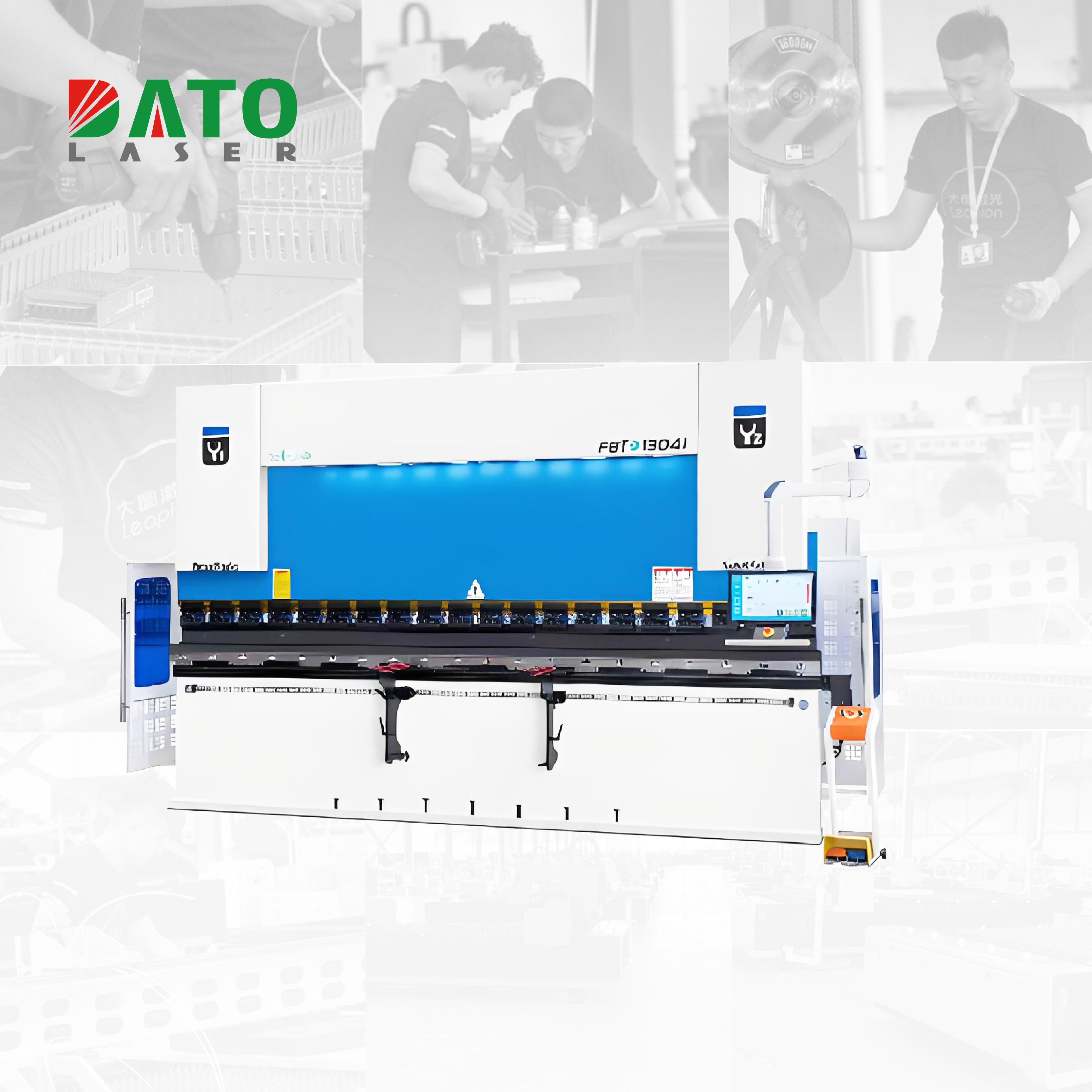
For sheet metal manufacturers, this matters because welding often depends on upstream processes. Parts bent on a CNC Press Brake need consistent dimensions and fit-up before they reach the welding station. Better forming consistency can therefore help support more stable automated welding.
Where Is Laser Welding Automation Most Useful?
A laser welding robot is worth evaluating when a factory produces parts with repeatable joints and sufficient ongoing demand. Potential applications include:
Sheet metal enclosures and cabinets
Metal furniture components
Automotive and industrial components
Stainless steel products
Frames, brackets, and assemblies
Other parts with recurring weld paths
Not every weld is suitable for laser automation. Joint access, gap tolerance, material thickness, reflective surfaces, and required weld performance must all be reviewed. Sample testing is the safest way to determine whether a proposed process can meet a factory’s requirements.
What Should You Check Before Investing?
Before selecting a system, prepare representative part drawings and production data. A supplier can give a more useful recommendation when it understands the actual application.
Part and Material Requirements
Document the materials, thickness ranges, joint types, weld lengths, and required finish. If several product families are involved, identify which parts account for the largest share of production.
Joint Fit-Up and Fixturing
Laser welding typically requires careful control of joint position and gaps. Check whether upstream cutting, bending, and assembly processes can produce parts consistently enough for automation.
Production Volume and Changeovers
Estimate how often the same part will run and how frequently the system will switch between jobs. A high-volume part and a workshop with many one-off orders may require different automation approaches.
Quality Standards
Define what an acceptable weld means for your product. Appearance alone may not be sufficient; some applications also require dimensional checks, strength testing, or other forms of inspection.
Safety and Training
Laser welding systems require appropriate safeguards, which may include enclosures, interlocks, controlled access, fume extraction, and trained operators. Safety requirements should be considered at the start of the project—not after the machine arrives.
Service and Long-Term Operation
Ask about installation guidance, training, maintenance, spare parts, and troubleshooting. Buyers can use DATO LASER’s Technical Support page to begin a service-related discussion.
How to Measure the Return on Laser Welding Automation
A realistic investment case should compare the total cost of the current process with the expected cost of the proposed automated process.
Start by measuring:
Current output per shift
Labor hours per accepted part
Rework and scrap costs
Changeover and downtime
Inspection requirements
Expected equipment, fixture, training, and maintenance costs
Then run representative samples and compare results. Avoid basing the decision solely on a machine’s advertised welding speed: the meaningful figure is the cost and time required to produce one accepted part.
If your workshop is evaluating welding alongside other fabrication upgrades, reviewing All Products may help you plan the investment as part of a complete production workflow.
How DATO LASER Can Support Your Evaluation
Choosing a laser welding robot begins with understanding the work it needs to perform. DATO LASER can discuss your parts, production goals, and equipment requirements before recommending a configuration.
To prepare for that conversation, share:
Part drawings or photos
Material specifications and thicknesses
Current welding method
Estimated monthly production volume
Weld quality requirements
Available floor space
Your main production bottleneck
You can learn more about the company through About DATO LASER, then use Contact Us to request an application discussion or quotation.
Buyers who followed the company’s earlier campaign can also review the September Sourcing Sale 2026 page for campaign information. Because the September sale has passed, confirm current pricing and offer availability directly with DATO LASER.
FAQ: Laser Welding Automation
Does a laser welding robot always weld faster than a manual operator?
Not necessarily. Results depend on the part, joint, fixture, and complete cycle time. Automation is often most valuable when it improves both repeatability and output across recurring production runs.
Can robotic laser welding handle different products?
Yes, but each product may require its own program, fixture, and validated welding parameters. Frequent changeovers should be included in the productivity calculation.
Is laser welding automation suitable for small factories?
It can be, especially when a small factory produces recurring parts or faces a clear welding bottleneck. The decision should be based on production volume, quality needs, and total project cost—not factory size alone.
Will a robot solve inconsistent part fit-up?
No. Inconsistent gaps or part positioning can prevent a stable welding process. Upstream part quality and fixture design should be reviewed before automation.
What information should I send when requesting a quote?
Send part drawings, material and thickness details, joint requirements, production volume, and any quality or inspection criteria. Representative samples can make the evaluation more reliable.
Build a More Reliable Welding Process
Laser welding automation works best when the robot, the parts, and the surrounding workflow are designed to work together. For suitable applications, it can improve weld consistency, support higher throughput, and help factories control quality more effectively.
If you are evaluating an upgrade, explore Laser Welding Robot Solutions and Contact Us with your part details. DATO LASER can help you assess whether robotic laser welding is a practical fit for your production goals.
Related Blogs
-
 Laser Welding Robot vs. Handheld Laser Welder: Which Fits Your Production?Should your factory invest in a laser welding robot or a handheld laser welder? Both use a laser to join metal, but they solve different production problems. A handheld system gives an operator direct control over the weldingBuyer's Guide
-
 How to Calculate Laser Welding Robot ROI for a Sheet Metal FactoryA laser welding robot may improve consistency and increase output, but those benefits do not automatically make it a profitable investment. For a sheet metal factory, the decision depends on the parts being welded, the volume of repeaBuyer's Guide
-
 A laser welding robot can help a sheet metal factory produce repeatable welds and reduce manual handling. But the best system is not simply the one with the highest laser power or the longest robot reach. It is the one that can weld your parts, at the required quality and production rate, within a sBuyer's Guide
-
 A sheet metal part can be cut accurately and still fail during assembly if its bends are inconsistent. An incorrect angle, misplaced flange, or small dimensional variation may affect fit-up, create rework, and delay the next production step.For workshops handling repeated parts or a growing mix of oBuyer's Guide


