


A sheet metal part can be cut accurately and still fail during assembly if its bends are inconsistent. An incorrect angle, misplaced flange, or small dimensional variation may affect fit-up, create rework, and delay the next production step.
For workshops handling repeated parts or a growing mix of orders, a CNC press brake can help bring greater control to the bending process. Programmable positioning and stored job settings make it easier to produce consistent results—but machine capability is only part of the equation. Material variation, tooling, setup, and operator practices still matter.
This guide explains how CNC press brakes support better accuracy and efficiency, where their advantages are most useful, and what fabricators should evaluate before investing.
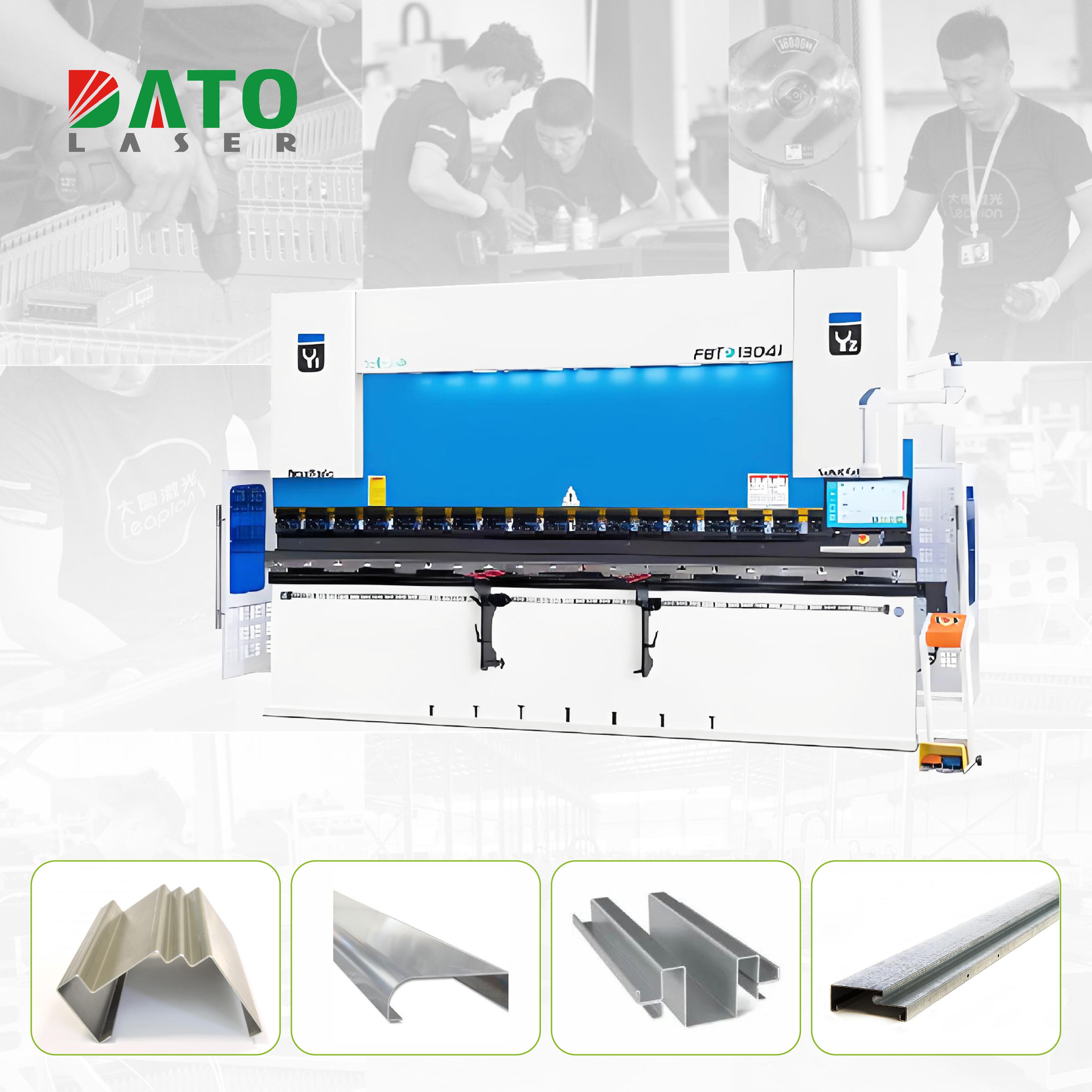
Quick Answer: What Does a CNC Press Brake Improve?
A properly selected and operated CNC press brake can help a sheet metal workshop:
Repeat bend sequences more consistently
Position parts more accurately with a programmed backgauge
Reduce setup variation between recurring jobs
Improve control over bending angles and dimensions
Shorten changeovers when programs and tooling plans are well managed
Reduce rework caused by inconsistent forming
Make production output easier to plan
Results depend on the application. A CNC controller cannot correct unsuitable tooling, inconsistent material, or an incorrect bend sequence on its own.
What Is a CNC Press Brake?
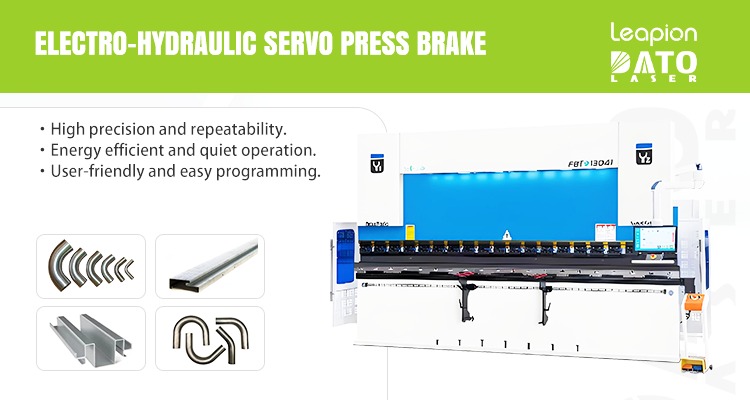
A CNC press brake is a sheet metal bending machine that uses computer numerical control to manage selected machine movements and job parameters. Depending on its configuration, the control system may coordinate ram movement, backgauge positioning, and other axes used during bending.
Operators can create and store programs for parts they produce regularly. This reduces reliance on repeated manual adjustments and provides a clearer starting point when a job returns to production.
Manufacturers can explore CNC Press Brake Solutions when assessing equipment for cabinets, enclosures, brackets, panels, frames, and other formed sheet metal parts.
More Repeatable Bending Across Production Runs
Repeatability is one of the main reasons workshops move to CNC bending.
In a manual setup, the result may depend heavily on how an operator positions each blank and adjusts the machine between jobs. A CNC press brake can use programmed settings to repeat key movements more consistently. That makes it easier to produce batches of parts with similar flange dimensions and bend angles.
This is particularly useful when:
The same part is produced every week or month
Multiple operators work on the same product
Bent parts must fit into an assembly
Customers expect consistent dimensions across orders
Repeatability, however, is not the same as automatic accuracy. The first part should still be measured, and the program should be adjusted when material or tooling conditions change.
Better Control of Bend Angles and Dimensions
A finished bend is affected by more than the machine’s programmed position. Material thickness, tensile properties, grain direction, tool selection, and springback can all influence the result.
CNC control helps operators apply and refine settings in a structured way. Once a bend has been tested and the result measured, the operator can update the program for the production run.
For parts with several bends, the backgauge can also help position each bend consistently. This supports more predictable dimensions on components such as:
Electrical enclosures
Equipment panels
Metal cabinets
Brackets
Doors and frames
Stainless steel products
Where tight tolerances are required, shops should document the acceptable angle and dimensional range rather than assuming every formed part will be identical.
Faster Setup for Recurring Jobs
Setup time has a major effect on workshop efficiency, especially when a shop processes many short batches.
A stored CNC program can preserve useful information for a recurring part, reducing the need to rebuild settings from the beginning. When paired with a clear tooling plan and work instructions, this may shorten preparation time and reduce avoidable trial-and-error.
For a repeat job, an efficient setup process can include:
Retrieving the correct part program
Confirming the specified material and thickness
Installing and checking the required tooling
Running a first-piece test
Measuring the result
Releasing the batch only after approval
This process takes discipline, but it can be more reliable than trying to reproduce a previous job from memory.
Less Rework When the Entire Process Is Controlled
A CNC press brake can help reduce variation, but rework typically has several possible causes. An incorrect blank size, unsuitable tooling, unexpected springback, or a wrong bend order can all create rejected parts.
To reduce rework, workshops should treat bending as a complete process. Useful controls include:
Checking incoming material thickness
Confirming blank dimensions before bending
Selecting tooling appropriate for the material and bend
Verifying the bend sequence
Measuring the first completed part
Recording adjustments for future runs
The goal is not simply to make the machine move more precisely. It is to produce more accepted parts with fewer corrections.
More Efficient Handling of Complex Parts
A simple bracket and a multi-bend enclosure place different demands on a press brake. As part complexity increases, operators must manage bend order, clearance, part orientation, and possible interference with the tooling or machine.
CNC programming can help organize these operations, particularly for recurring parts. A planned bend sequence reduces uncertainty during production and makes it easier to communicate the intended process between operators.
Before accepting a complex job, fabricators should still check whether the part can be formed with the available:
Bend length
Machine capacity
Tooling
Backgauge travel
Clearance for partially formed parts
A program cannot overcome a physical interference or a machine that is undersized for the application.
Better Flow Through the Fabrication Workshop
Bending rarely happens in isolation. Formed parts often move to welding, fastening, assembly, or finishing. When bend angles and dimensions vary, problems appear downstream.
More consistent bending can help:
Improve fit-up before welding
Reduce assembly adjustments
Make fixtures more effective
Prevent delays caused by mismatched parts
Support more predictable job scheduling
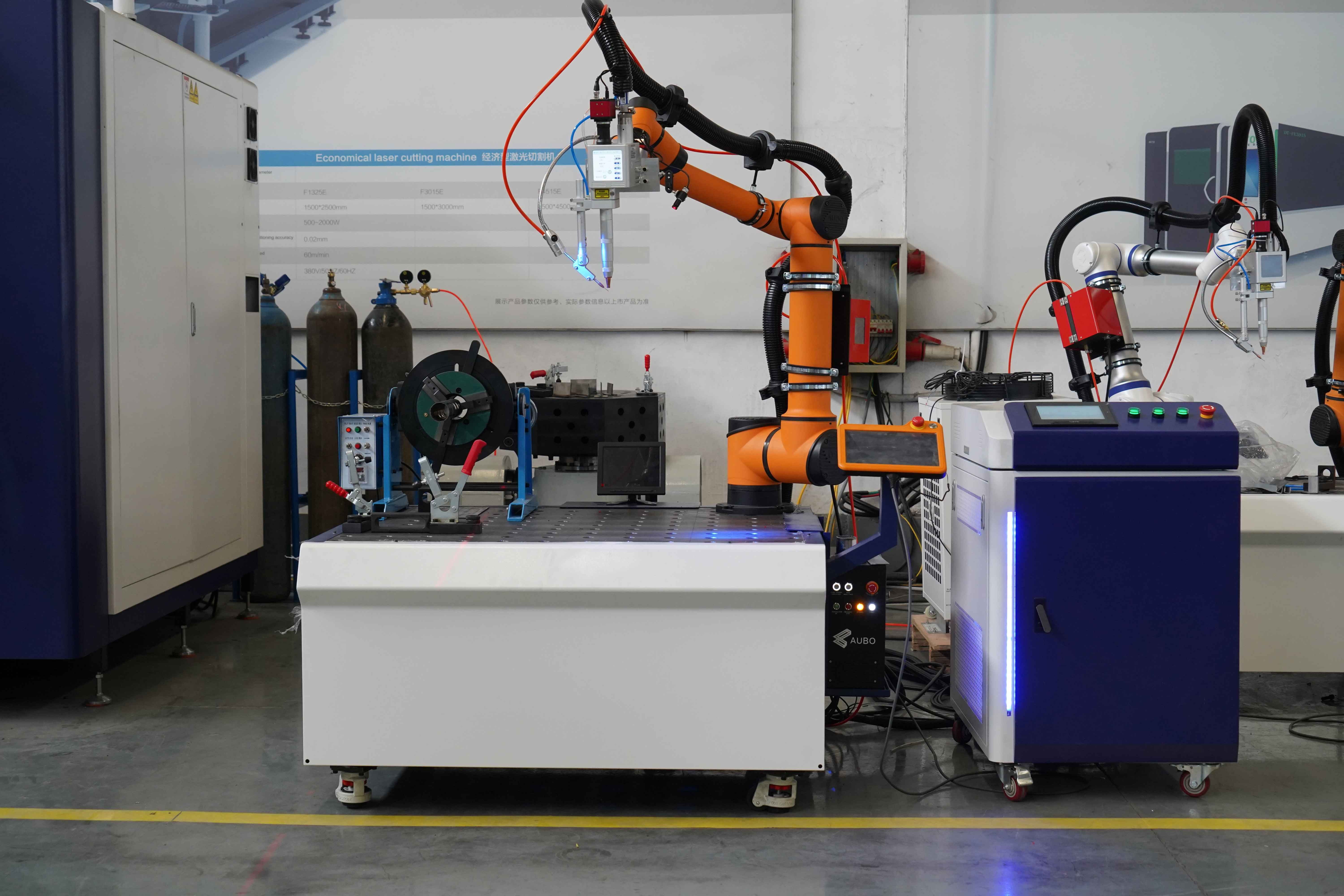
For workshops producing welded sheet metal assemblies, bending consistency can also support automated joining. Parts made on a CNC Press Brake must fit properly before moving to a Laser Welding Robot; a repeatable welding path cannot make up for inconsistent part geometry.
What Determines the Right CNC Press Brake Configuration?
Not every press brake is suitable for every workshop. Before comparing machines, start with the parts you actually produce.
Material and Thickness
List the materials and thickness ranges you bend most often. Different materials behave differently during forming and may require different tooling or process settings.
Required Bend Length and Capacity
Check the longest bends and the most demanding jobs in your production mix. Machine capacity should be assessed against the material, length, tooling, and bending method—not selected from tonnage alone.
Part Geometry
Review flange sizes, bend sequences, deep-box shapes, and clearance needs. These details affect tooling selection and whether the part can be formed efficiently.
Production Mix
A workshop making a few recurring products may prioritize repeatable programs and steady batch output. A high-mix shop may place greater value on quick programming, flexible tooling, and efficient changeovers.
Quality Requirements
Define your required angle and dimensional tolerances. If parts must fit into assemblies or meet customer drawings, plan how first-piece and in-process inspections will be performed.
Operator Training and Support
Ask how programs are created, how adjustments are recorded, and what training is available. Before purchasing, discuss installation and after-sales requirements with the supplier. DATO LASER’s Technical Support page provides a starting point for service inquiries.
How to Measure the Value of a CNC Press Brake
The right measure is not simply bends per hour. A more useful question is: How much time and cost does the workshop need to produce one accepted part?
Before upgrading, record a baseline for:
Setup time per job
First-piece approval time
Accepted parts per shift
Rework and scrap rates
Operator time per batch
Delays during downstream assembly
After installation and training, measure the same figures on comparable jobs. This helps distinguish a genuine process improvement from a faster machine that still requires frequent corrections.
For workshops considering several equipment upgrades, All Products can provide a broader view of bending and welding options.
Common Mistakes to Avoid When Buying a Press Brake
Choosing by Price Alone
A lower initial price may be less attractive if the machine cannot handle your most important parts or requires frequent workarounds. Compare application fit, tooling, training, and long-term support alongside the quotation.
Assuming CNC Control Eliminates Setup Work
Programming helps with consistency, but tooling selection, material checks, and first-piece inspection remain essential.
Ignoring Part Geometry
A machine may have enough nominal capacity yet still be unsuitable for a particular deep box, short flange, or complex bend sequence.
Underestimating Changeover Time
If your shop produces many different parts, evaluate the full time required to move from one job to the next—not only the machine’s bending speed.
Skipping Sample Tests
Representative drawings and sample parts allow a more reliable assessment than general specifications alone. For demanding applications, ask the supplier how the proposed configuration would handle your actual jobs.
How DATO LASER Can Help You Evaluate a Bending Upgrade
A useful equipment recommendation begins with your production requirements. When contacting DATO LASER, prepare:
Part drawings or photos
Material types and thicknesses
Maximum bend lengths
Required tolerances
Estimated production volumes
Examples of your most difficult parts
Current setup, rework, or capacity challenges
You can review CNC Press Brake Solutions, learn more through About DATO LASER, and use Contact Us to request a recommendation based on your workshop’s needs.
If you previously viewed the September Sourcing Sale 2026, note that the September campaign has passed. Confirm current prices and offer availability directly with DATO LASER before making a purchasing decision.
FAQ: CNC Press Brakes for Sheet Metal Workshops
Does a CNC press brake guarantee accurate bends?
No. CNC control improves the repeatability of programmed movements, but bend accuracy also depends on material, tooling, setup, and inspection.
Is a CNC press brake useful for small-batch production?
It can be. The value depends on part complexity, changeover frequency, and how efficiently the shop can program and set up each job.
What information should I provide when requesting a quotation?
Provide drawings, materials, thicknesses, maximum bend lengths, tolerances, and production volumes. Examples of difficult parts are particularly helpful.
Can a CNC press brake reduce scrap?
It may help reduce scrap when combined with suitable tooling, validated programs, material checks, and first-piece inspection. The improvement should be measured against your current process.
Should I upgrade my press brake or welding equipment first?
Start with the process causing the most rework, delays, or capacity constraints. If bending errors affect assembly and welding, improving bending may be the logical first step. If welding is the primary bottleneck, evaluate a Laser Welding Robot.
Build a More Reliable Bending Process
A CNC press brake can help a sheet metal workshop produce more consistent parts, streamline recurring jobs, and improve workflow from bending through assembly. The strongest results come from selecting the right configuration and supporting it with suitable tooling, trained operators, and clear inspection practices.
To discuss your parts and production goals, explore CNC Press Brake Solutions and Contact Us with your drawings and application details.
Related Blogs
-
 Laser Welding Robot vs. Handheld Laser Welder: Which Fits Your Production?Should your factory invest in a laser welding robot or a handheld laser welder? Both use a laser to join metal, but they solve different production problems. A handheld system gives an operator direct control over the weldingBuyer's Guide
-
 How to Calculate Laser Welding Robot ROI for a Sheet Metal FactoryA laser welding robot may improve consistency and increase output, but those benefits do not automatically make it a profitable investment. For a sheet metal factory, the decision depends on the parts being welded, the volume of repeaBuyer's Guide
-
 A laser welding robot can help a sheet metal factory produce repeatable welds and reduce manual handling. But the best system is not simply the one with the highest laser power or the longest robot reach. It is the one that can weld your parts, at the required quality and production rate, within a sBuyer's Guide
-
 A sheet metal part can be cut accurately and still fail during assembly if its bends are inconsistent. An incorrect angle, misplaced flange, or small dimensional variation may affect fit-up, create rework, and delay the next production step.For workshops handling repeated parts or a growing mix of oBuyer's Guide
